
Universæ Analysis
Revealing the hidden structures that connect civilizations
Owned by Le Cercle d’Études Scientifiques Pierre Rayer founded by Thierry Rayer,
Universæ Analysis is a rigorous methodology for reading works of art and architecture.
It uncovers the invisible structures that link cultures across time from Antiquity to the modern period.
UNIVERSæ ANALYSIS
A Scientific Methodology for reading Art and Civilizations
Universæ Analysis mobilizes a broad spectrum of disciplines, encompassing both exact sciences, such as biology, geometry, and mathematics, to specialized fields of knowledge, such as Egyptology, ancient Greek history, ancient Rome.
In this way, it reveals the common origin of all human cultures.
REVEALING THE HIDDEN KNOWLEDGE INSIDE MASTERPIECES
Applied to the great masters of painting and sculpture, from Da Vinci
and Raphael to Kandinsky and Brancusi, Universæ Analysis
reveals the knowledge encoded in their works:
geometric structures, symbolic architectures,
and universal patterns transmitted silently through the centuries.
Integrating Universæ Analysis into the study of works of art transforms our perception of them.
It invites us to reflect deeply on the richness and the complexity of our common cultural heritage,
underlining that works of art’s true value lies in the secrets they contain and the stories they tell about our society
and the civilizations that have gone before us.
Our Major Applications
When Universæ Analysis meets iconic masterpieces and world heritage
Universæ Analysis is not a theoretical concept. It is a living methodology, applied to some of the most emblematic works and cultural landmarks of our time. From world heritage architecture to major figures of modern art, our analyses reveal the invisible structures that shape meaning, power and universality.
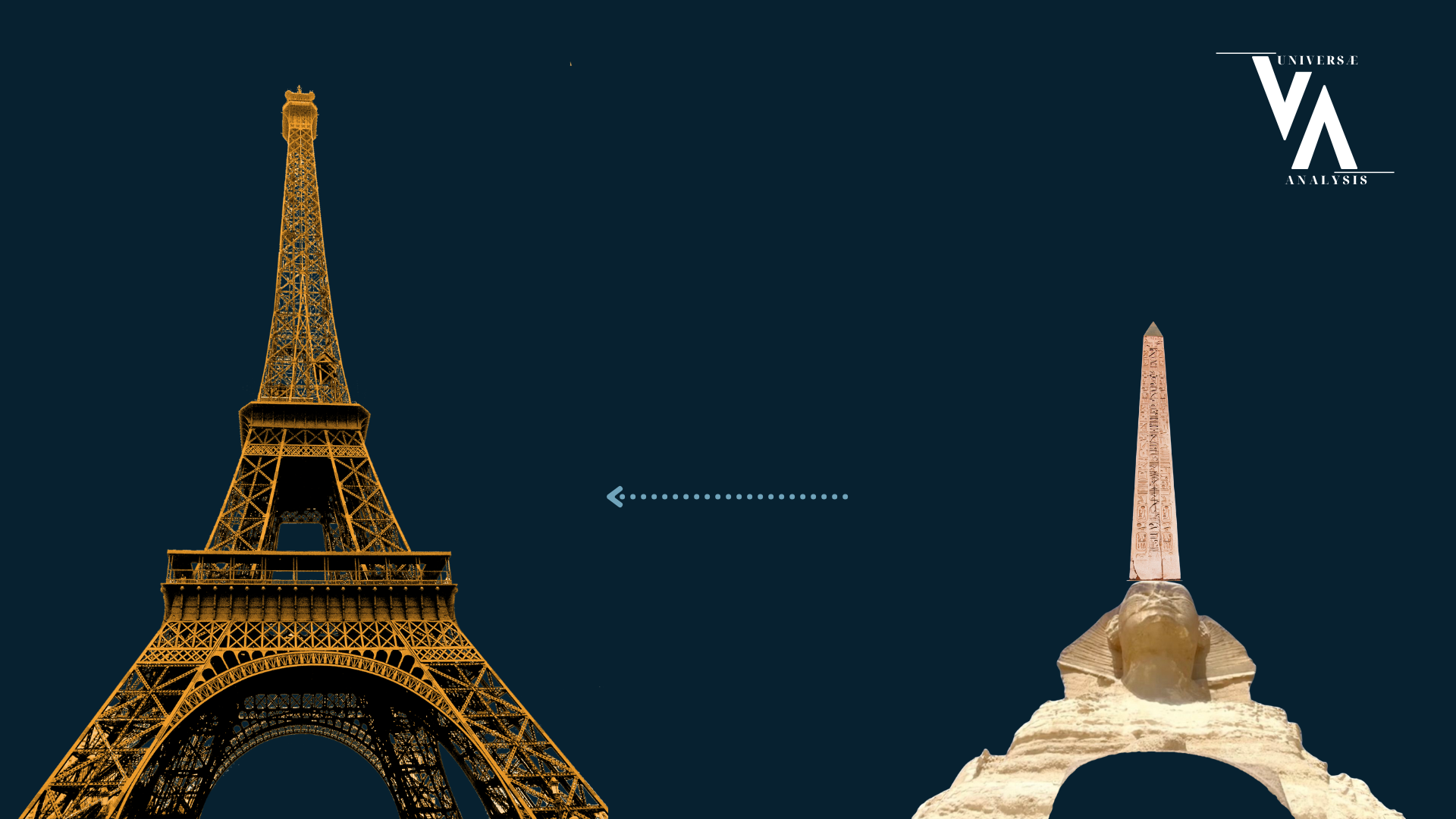

The Eiffel Tower
Commissioned by the Committee for the inscription of the Tour Eiffel as a UNESCO World Heritage site, Universæ Analysis was applied to demonstrate the monument’s universal dimension.
Through a geometric, symbolic, and historical reading, the methodology reveals how the Eiffel Tower embodies a continuity of form, proportion, and meaning inherited from ancient civilizations to modern engineering. Beyond its technical prowess, the Tower emerges as a monument of universal resonance, bridging science, art, and collective identity.
Explore the Research
The Eiffel Tower: A Universal Monument to Science | The Book
This publication presents the research conducted by Thierry Rayer and the Cercle d’Études Scientifiques Pierre Rayer through the interdisciplinary methodology of Universæ Analysis.
Applied to the Eiffel Tower, the methodology examines the relationships between geometry, structural organisation, engineering, historical references and the transmission of knowledge across civilizations. The publication contributes to a renewed understanding of the monument’s scientific and universal significance.
The Salvator Mundi
Symbolic and structural analysis of a masterpiece
Applied to one of the most debated and powerful paintings in art history, Universæ Analysis explores the invisible architecture underlying the composition of the Salvator Mundi: proportions, gestures, spatial hierarchies and symbolic balance.
This interdisciplinary reading sheds new light on the coherence, intentionality
and universal resonance of the work beyond attribution debates, reinforcing its exceptional cultural and symbolic value.

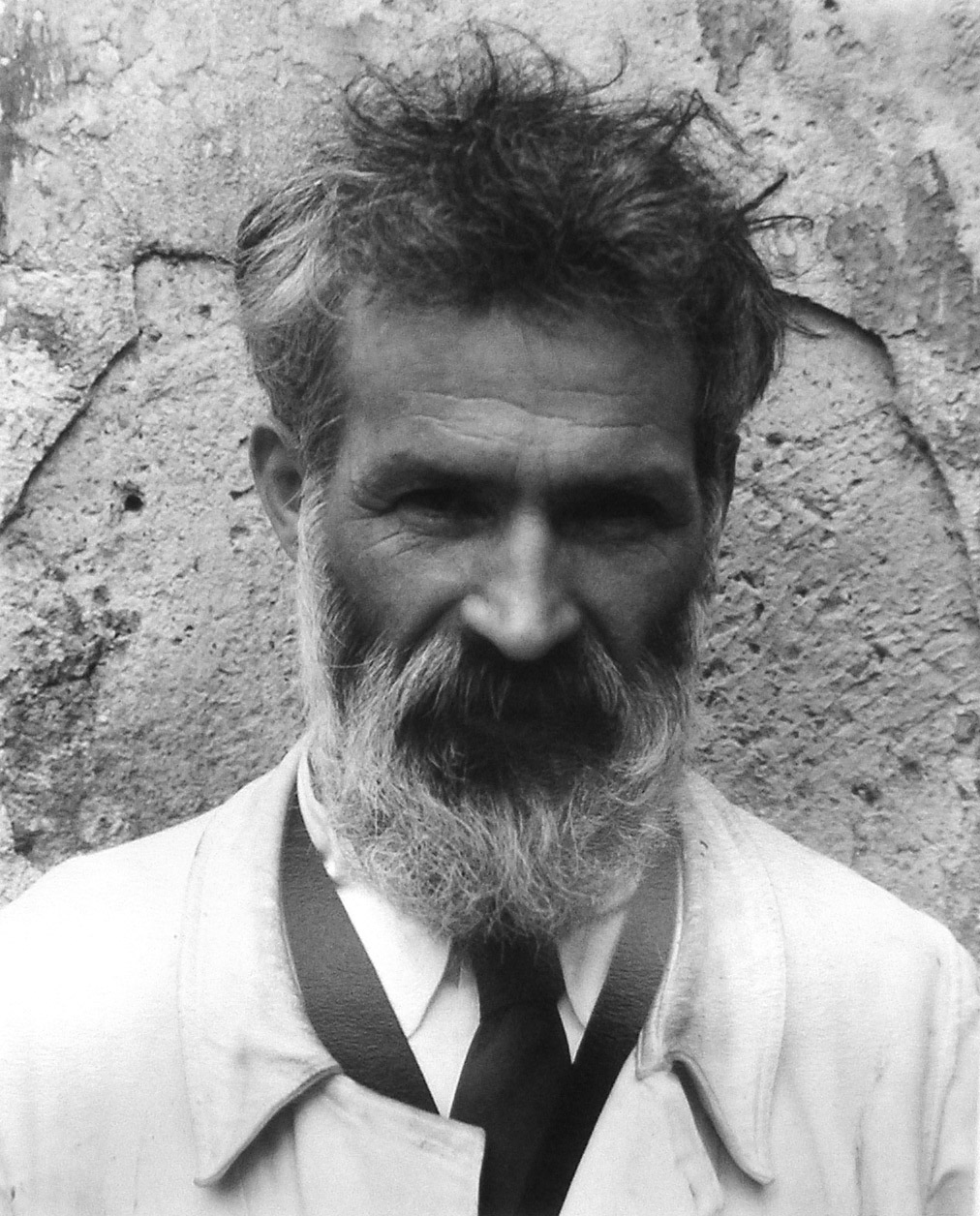
Constantin Brâncuși
Modern sculpture and universal geometry
Through the analysis of Brâncuși’s sculptural language, Universæ Analysis reveals how minimalism, verticality, and elementary forms express timeless principles of elevation, origin
and essentiality. His work appears not only as modern sculpture, but as a continuation of archaic and universal symbolic architectures.
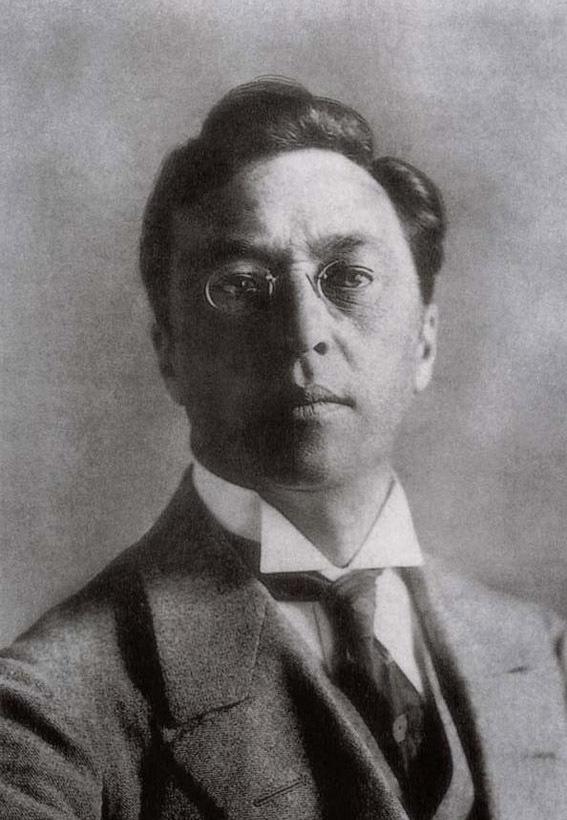
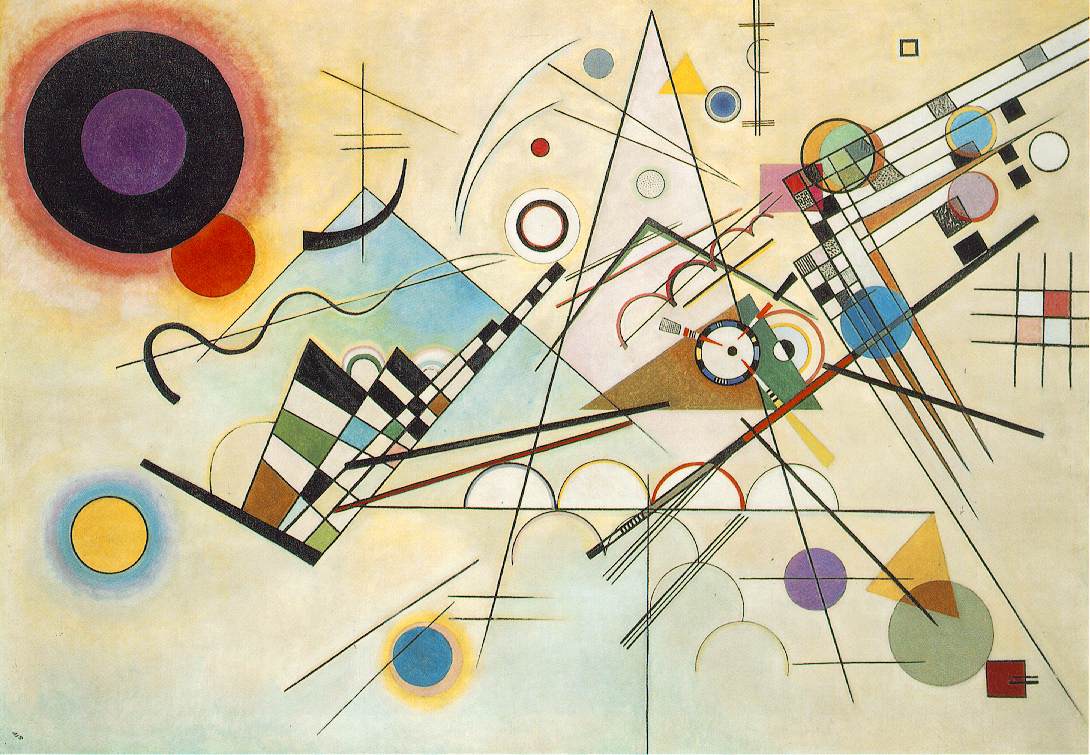
Wassily Kandinsky
Abstraction, form, and spiritual geometry
Universæ Analysis applied to Kandinsky’s work uncovers the invisible frameworks governing abstraction: chromatic balance, geometric tension, rhythmic construction.
The methodology demonstrates how abstraction becomes a language of universal perception, rooted in structural laws rather than pure intuition.
The Mask of Tutankhamun and Brâncuși’s Le Baiser (1905)
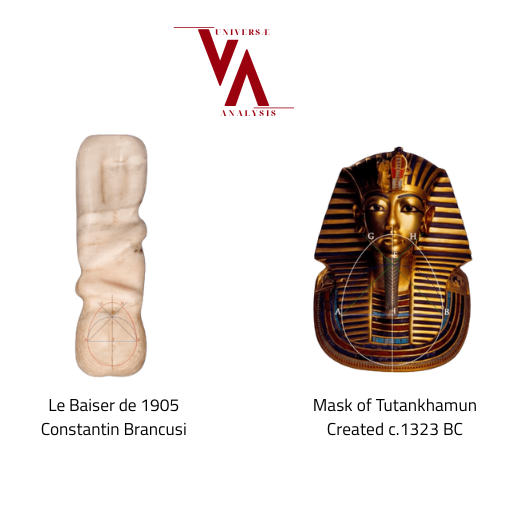
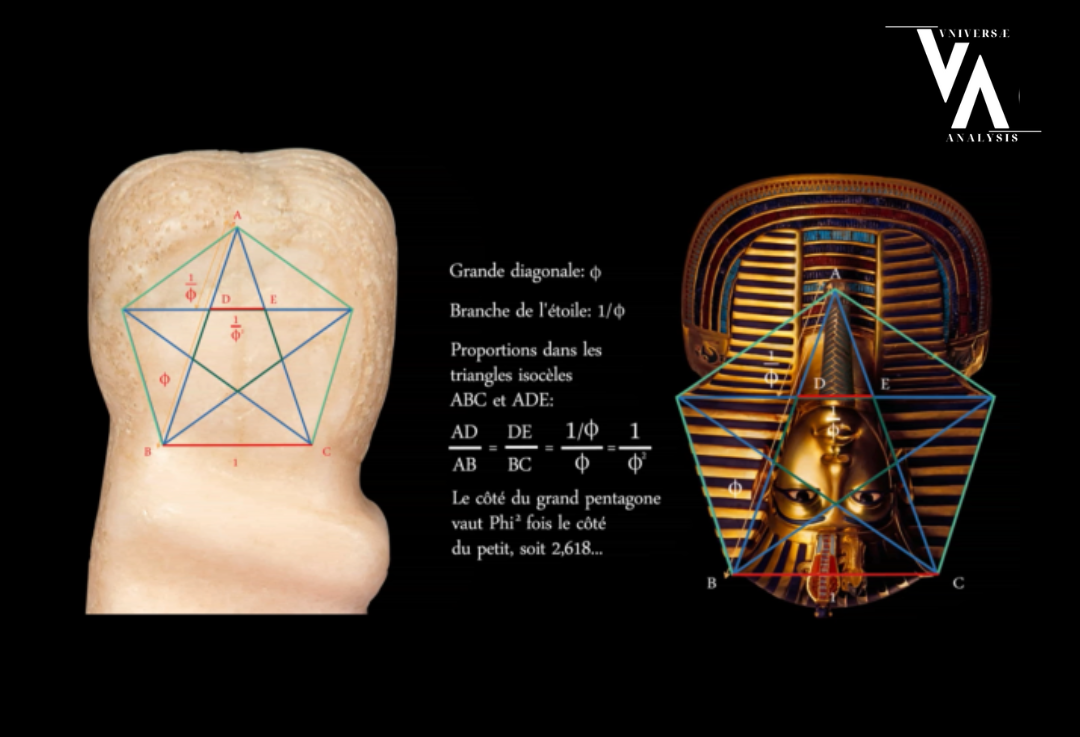
When viewed geometrically, the Mask of Tutankhamun and Brâncuși’s Le Baiser (1905) reveal something remarkable: two works separated by more than three thousand years are built on the same hidden architecture. Their forms unfold along
a pyramidal structure, aligned with Fibonacci proportions, and fit within the contours
of a perfect egg and a full moon.
These frameworks guide every curve, every line, every balance.
For ancient Egypt, such geometry was a statement of cosmic order, a way to give
the human face the proportions of the divine. The mask reflects a world where art, mathematics, and kingship were inseparable, where form was crafted to echo
the structure of the universe itself.
For Brâncuși, these same proportions reappear as a language of essence.
In the early twentieth century, he stripped sculpture down to its origins, seeking
the universal rather than the decorative. The geometry that shaped the ancient world resurfaces in modernity, distilled into pure form and quiet intensity.
Presented together, the two works show a continuity that visitors do not expect: civilizations with no contact, no shared era, and no shared theology built their masterpieces on the same underlying structures.
Universæ Analysis reveals these connections.
It is a narrative that transforms collections: the story of how humanity, across time and cultures, returned to the same geometric foundations to express creation and identity.
THE STRATEGIC OPPORTUNITIES AHEAD
Elevate collections
with proven meaning
Create unified civilizational narratives
Strengthen cultural authority worldwide
Increase the value
of masterpieces
Build destinations rooted in knowledge
Offer stories
no other nation can tell
Connect heritage
across time and cultures
Lead the future of cultural interpretation
Transform art into national influence
From Knowledge
to Intelligence
THE UNIVERSÆ ANALYSIS AI
Co-develop the Universæ Analysis AI with your nation
Co-develop the first AI dedicated to cultural intelligence built on the universal scientific principles revealed by Universæ Analysis.
A sovereign technology your nation can shape use to lead global cultural strategy.